Wireless TV Listeners & TV Hearing Devices
Wireless TV listeners and TV hearing devices help people with hearing loss enjoy clearer television sound without increasing the volume for everyone else in the room.
They can be particularly useful for people who struggle to hear speech and dialogue through standard TV speakers, as well as for hearing aid users who want a more direct listening option.
Our range includes infrared and radio-frequency TV listening systems, along with compatible accessories and options that can be used with Bone conduction headphones.
How do wireless TV listeners work? & FAQs
A wireless TV listener connects to your television and sends the audio signal directly to a personal receiver.
Instead of relying only on the television speakers, the user hears the sound through the receiver, headphones or another compatible listening accessory.
This allows the listener to control their own volume independently, while everyone else can continue watching the television at a comfortable level.
TV listeners for people with hearing loss
Wireless TV listeners can be useful for people who find television dialogue difficult to follow, even when the overall volume is turned up.
By delivering the sound more directly to the user, they can make speech clearer and reduce the need to increase the main TV volume.
They can be suitable for both hearing aid and non-hearing aid users, depending on the system and listening accessory being used.
Can you use a TV listener with hearing aids?
Yes, some TV listening systems can be used alongside compatible hearing aids or with accessories such as neck loops.
The exact setup will depend on the hearing aid, the listener and the TV listening system being used.
For people who do not use hearing aids, many TV listeners can also be used with their own receiver, headphones or other listening accessories.
Infrared vs radio-frequency TV listeners
Infrared TV listeners
Infrared systems transmit sound using an infrared signal. They are typically best suited to listening within the same room as the television.
They can provide clear, private listening without sending the signal beyond the immediate room.
Radio-frequency TV listeners
Radio-frequency systems provide greater freedom of movement and can usually continue working even when the listener is not directly facing the transmitter.
This can make them particularly useful for people who want to move around the room or nearby areas while continuing to listen.
The best option will depend on how and where the TV listening system will be used.
TV hearing devices for clearer speech and dialogue
TV hearing devices are designed to make television audio easier to hear, particularly speech and dialogue.
Rather than increasing the overall TV volume, a personal listening system delivers the sound directly to the listener.
This can make television viewing more comfortable for the person with hearing loss while avoiding disruption to other people in the room.
More than just a TV listener
Selected Hear4You TV listeners can also be used as personal listening devices.
A built-in microphone can allow the receiver to amplify nearby conversation when the user is away from the television.
This can make the device useful in other situations where speech may be difficult to hear clearly.
TV listeners with bone conduction headphones
For people who prefer bone conduction listening, selected TV listening systems can also be used with compatible bone conduction headphones.
Bone conduction headphones sit around the ear rather than inside the ear canal and transmit sound through vibration.
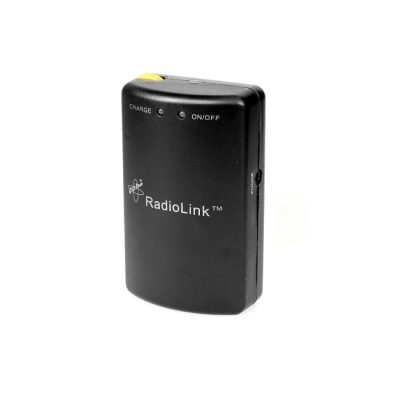
Hear4You also offers the Echo® RadioLink 2.4G Wireless TV Listener with Bone Conduction Headphones as a complete bundle, combining a wireless TV listening system with wired bone conduction headphones.
This gives customers a convenient option if they need both a TV listener and a bone conduction listening solution.
Choosing the right wireless TV listener
When choosing a TV listening system, it is worth considering:
- whether you prefer infrared or radio-frequency transmission
- how far you need to move away from the television
- whether you use hearing aids
- which type of receiver or headphones you prefer
- whether you want the device to double as a personal listener
- whether you would benefit from bone conduction headphones
- which audio connections are available on your television
If you are unsure which system will be most suitable, contact our team and we can help you choose the right option for your needs.
Frequently Asked Questions
What is a wireless TV listener?
A wireless TV listener is a personal listening system that sends television audio directly to a receiver or compatible headphones, allowing the user to listen at their own preferred volume.
Are TV listeners suitable for people with hearing loss?
Yes. TV listeners are commonly used by people with hearing loss who find television speech or dialogue difficult to hear clearly.
Can I use a TV listener with hearing aids?
Some TV listening systems can be used with hearing aids or compatible accessories such as neck loops. Compatibility depends on the hearing aid and the individual system.
What is the difference between infrared and radio-frequency TV listeners?
Infrared systems are generally designed for listening within the same room, while radio-frequency systems usually offer greater freedom of movement.
Can I use a TV listener without hearing aids?
Yes. Many TV listening systems can be used with their own receiver, headphones or compatible listening accessory and do not require hearing aids.
Can a TV listener help me hear dialogue more clearly?
A TV listener delivers television audio more directly to the user, which can make speech and dialogue easier to hear without increasing the main TV volume.
Can I use bone conduction headphones with a TV listener?
Yes, with compatible equipment. Hear4You also offers a RadioLink TV listener and bone conduction headphones as a complete bundle.
Can a wireless TV listener also be used as a personal listener?
Some models include a built-in microphone and can also be used to amplify nearby conversation away from the television.
Showing all 11 resultsSorted by popularity